

May 2025 F.I.R.S.T. Newsletter 2 – Stop Procrastinating: Simple Science-Backed Techniques That Work
Happy May!
To support you in being F.I.R.S.T. (Future-Ready. Innovative. Relevant. Strategic. Trusted.), here’s 1 tip and 1 quote.
The F.I.R.S.T. Tip
We’ve all been there. You know what needs to be done—but somehow, your inbox, meetings, or even a quick scroll through LinkedIn pull you in. Suddenly, the day is over, and that important task remains untouched.
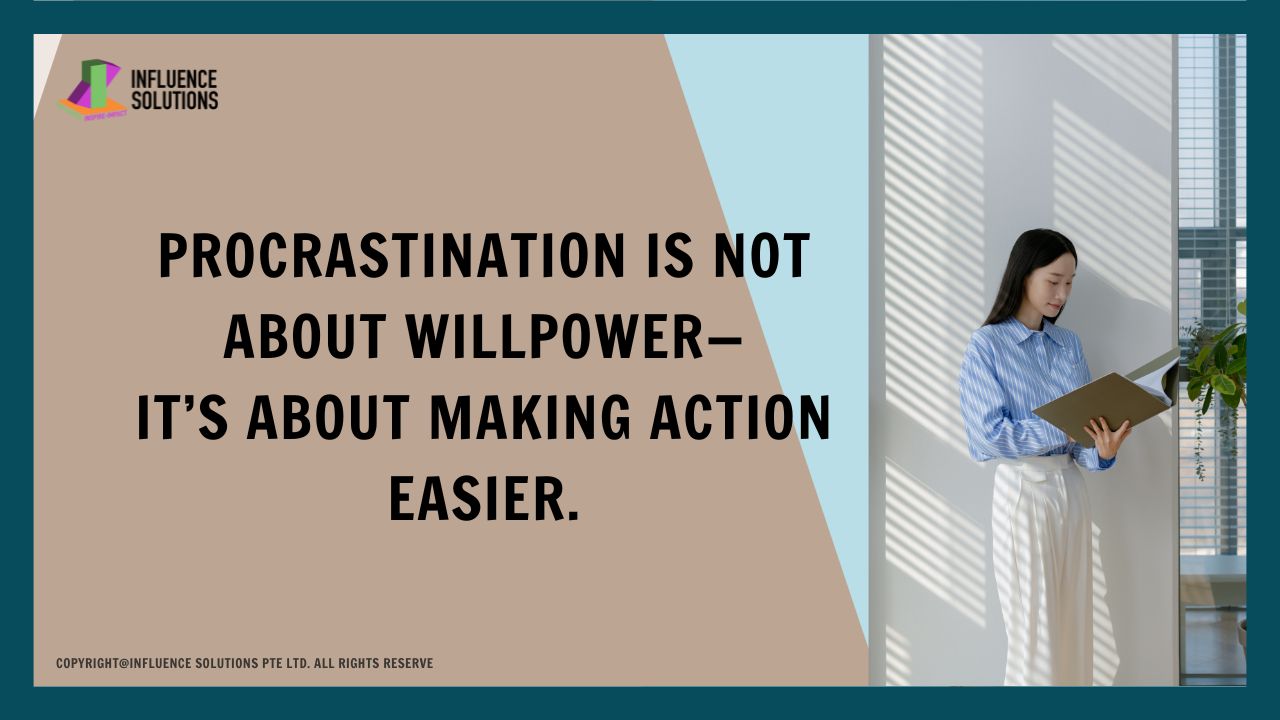
Procrastination isn’t about laziness. It’s how our brains respond to effort, discomfort, and reward. We naturally prioritize short-term comfort over long-term benefits—making it easier to delay a report, postpone a decision, or avoid a difficult conversation, even when we know it’ll cause stress later.
The good news? You don’t need more willpower—you need a better strategy.
Why We Procrastinate (And How to Break the Cycle)
Most people assume procrastination is a personal flaw—but science tells a different story. Research shows we avoid tasks that feel overwhelming, boring, or uncomfortable. Instead of forcing ourselves through, the smartest leaders reframe their approach to make action feel effortless.
Two Science-Backed Ways to Make Action Easier
1. Temptation Bundling – Pair an unpleasant task with something enjoyable
We’re more likely to do things we dislike if they come with a built-in reward.
Try this:
- Struggle to clear your inbox? Only allow yourself to listen to your favorite podcast while replying to emails.
- Hate running? Only listen to your favorite audiobook while on the treadmill.
Why it works: Your brain starts associating the task with something enjoyable, reducing resistance.
2. The Fresh Start Effect – Use natural reset points to build momentum
Ever noticed how people set goals at the start of a new year, birthday, or even a Monday? That’s because we mentally separate the “old us” from the “new us” at these moments—making it easier to start fresh.
Try this:
- Want to finally start that project? Use the beginning of the week, a new quarter, or the first day of the month as your launch point.
- Need to get back into a routine? Tie it to a fresh start like returning from vacation or a new season.
Why it works: These moments act as psychological resets, making it easier to commit to action.
How You Can Apply This Daily
✔️ Dreading a task? Pair it with something you enjoy—like listening to music while organizing your space or having your favorite coffee while tackling emails.
✔️ Need to start a new project or habit? Use natural reset points like the first day of the month, a Monday, or even a birthday to kick things off.
✔️ Avoiding a tough decision? Set a specific time each week—whether it’s a “decision hour” at work or a personal check-in—to make choices without overthinking.
From Procrastination to Progress
High-performing leaders don’t battle procrastination with sheer willpower. They build systems that make action easier. By shifting how we approach effort and motivation, we can make execution feel natural, decisions feel lighter, and progress feel effortless.
The hardest part is starting—but once you do, momentum takes over.
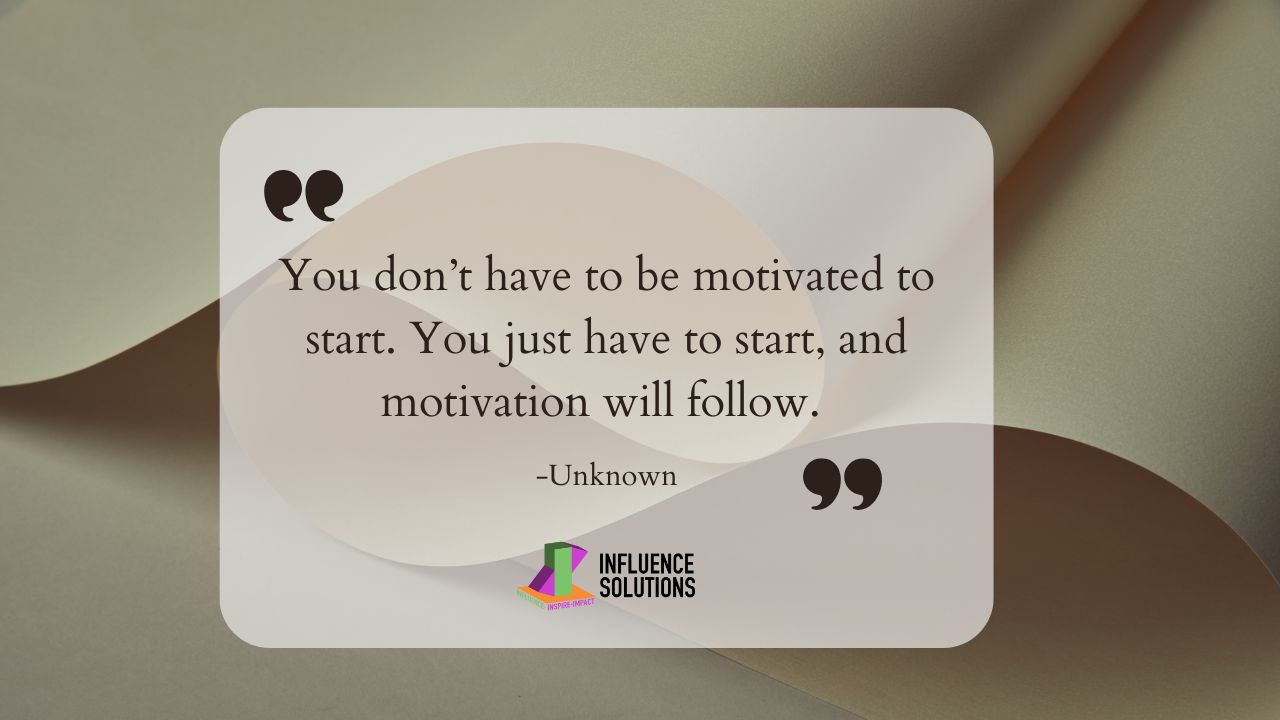
The F.I.R.S.T. Quote

August 2026 F.I.R.S.T. Newsletter – When People Don’t See Your Work, It Doesn’t Scale

May 2026 F.I.R.S.T. Newsletter 2 – Stakeholder Skills: The Real Reason Some People Progress Faster