


September 2026 F.I.R.S.T. Newsletter – How to Manage Senior Stakeholders with More Confidence
Happy September!
To support you in being F.I.R.S.T. (Future-Ready. Innovative. Relevant. Strategic. Trusted.), here’s 1 tip and 1 quote.

The F.I.R.S.T. Tip
Why This Feels Harder Than It Should
One question comes up again and again in our Influence 24/7 workshops: How do I manage senior stakeholders with more clarity and confidence?
This burning need comes up across industries and at every level. And it’s easy to understand why.
Working with a senior stakeholder often feels different from working with a peer. There is an adverse power balance, you may need to deal with a lack of their availability, lack of clarity of their expectations as well as a possible generational gap.
Navigating senior stakeholder relationships effectively requires a strategic approach.
Why It’s Worth Getting Right
When a senior stakeholder trusts you, work becomes easier. You have more room to move, more support when you need it, and more benefit of the doubt when things don’t go exactly to plan.
Get the relationship wrong, and even excellent work can get second-guessed, delayed or quietly deprioritised.
This matters even more today because decisions often involve several senior stakeholders, each with different priorities and expectations.
Being able to understand those priorities, navigate different perspectives and still move things forward is becoming an important skill in almost any role, whether you’re leading a project, contributing to one or simply trying to get your work seen and supported.
What Usually Gets in the Way
Three patterns come up repeatedly in our workshops.
1. We under-communicate. We don’t want to appear as though we need hand-holding, so we wait until we have something substantial to report. The problem is that our stakeholder may simply feel left out of the loop.
2. We prepare too much for pushback. We anticipate all the questions and objections before the conversation even starts. Instead of helping us appear prepared, we can end up sounding defensive or uncertain.
3. We wait for the stakeholder to tell us what matters. Rather than proposing a way forward, we wait for direction. Over time, this keeps us in a reactive position instead of showing that we can think ahead and take the lead.
These are rarely signs of a lack of competence. More often, we simply haven’t learnt to manage senior stakeholder relationships deliberately.
Tips for Managing Up Well
1. Lead with the headline, not the journey. Senior stakeholders often want the conclusion first and the detail only when they need it. Start with what you’re recommending, what you need from them or what has changed. Then explain your reasoning.
2. Ask what “good” looks like early. Don’t wait until you’ve built something to find out whether it meets their expectations. A short conversation upfront about priorities, expectations and constraints can save hours of rework later.
3. Bring options, not just updates. Instead of only reporting what has happened, bring a recommendation or a choice for them to consider. This shifts the conversation from simply giving an update to helping them make a decision.
4. Don’t disappear between updates. You don’t need a formal meeting every time. A short, proactive message can keep your stakeholder informed and prevent them from having to chase you for an update.
The Business Impact is REAL
The business impact of positive senior stakeholder relationships is real. When relationships are managed well, decisions move faster, trust grows and people earn greater autonomy over time.
Importantly, you get avoid the risks of good work getting stuck in approval cycles, slow decision making, poor alignment, and disengaged talent.
This Month’s Action Focus
This month, try just one small habit with a senior stakeholder:
1. Lead with the headline. In your next update, state your recommendation or ask in the first sentence. Then explain.
2. Ask what matters to them. Before starting your next project or task, ask what success looks like from their perspective, not just yours.
3. Send one proactive check-in. Don’t wait to be asked. A short update between milestones can make a big difference in building trust. Small shifts in how we communicate can change the way senior stakeholders see us and, over time, how much they trust us.
Build Influence That Drives Results
Visibility is one expression of a broader capability: being Strategic and Trusted, the two of the five F.I.R.S.T™ capabilities we help professionals build, whether they’re leading a team, navigating change, or growing their influence day to day.
This is exactly what our Influence 24/7 programme is built for; not just a workplace skill, but a life skill for making your contribution clear and your presence felt, wherever you are.
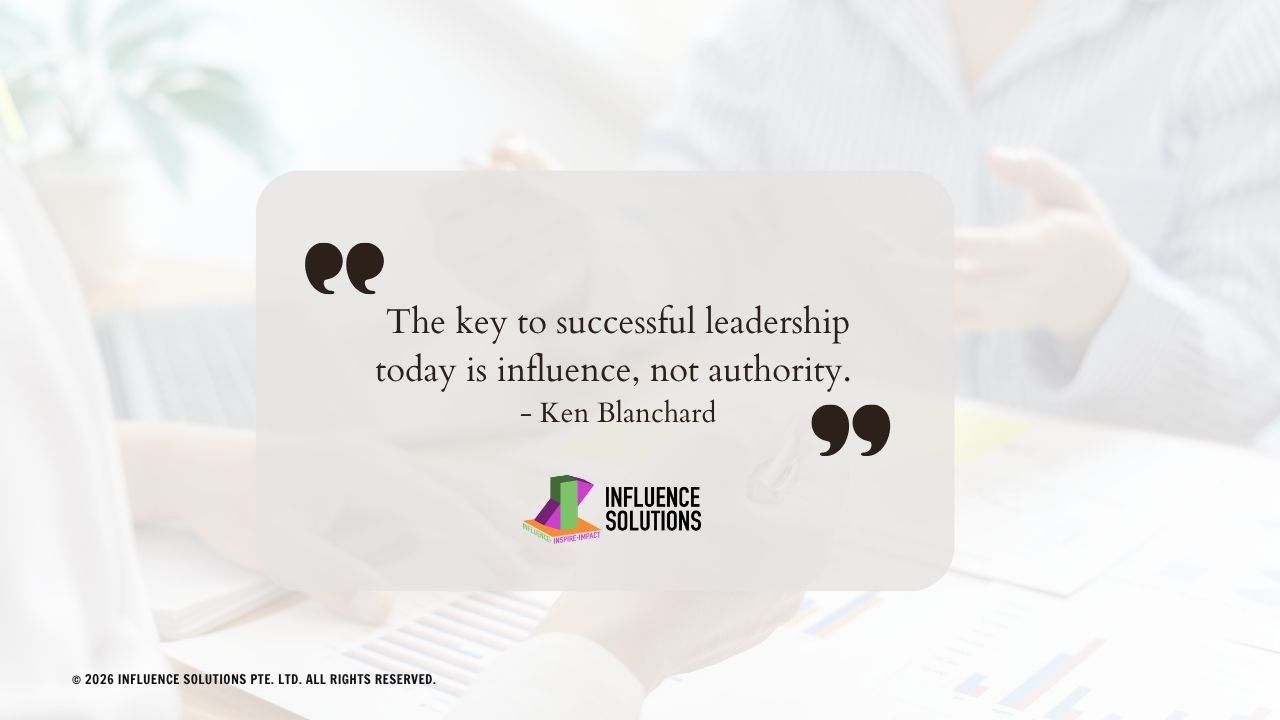
The F.I.R.S.T. Quote

August 2026 F.I.R.S.T. Newsletter – When People Don’t See Your Work, It Doesn’t Scale

May 2026 F.I.R.S.T. Newsletter 2 – Stakeholder Skills: The Real Reason Some People Progress Faster